Bankruptcy and Car Repossession in Wyoming – Can You Save Your Vehicle?
If you are behind on your car loan and worried about losing your vehicle, you are not alone. Thousands of Wyoming residents face the same fear every year. The good news is that filing bankruptcy can often stop repossession and give you a path to keep your car—but timing matters more than almost anything else. This guide explains how bankruptcy car repossession works in Wyoming, what your options are under Chapter 7 and Chapter 13, and the concrete steps you can take right now to protect your vehicle.
Key Takeaways
Filing Chapter 7 or Chapter 13 bankruptcy in Wyoming triggers an automatic stay that can immediately stop most car repossessions, wage garnishments, and other collection efforts—but only if you file before the lender completes the auction sale.
Chapter 13 bankruptcy often allows you to catch up on missed payments over a 3–5 year repayment plan and may let you reduce the interest rate or even the loan balance if the vehicle was purchased more than 910 days before your bankruptcy filing.
Chapter 7 may wipe out credit card debt, medical bills, and other unsecured debt so you can better afford to keep your car, but you generally must stay current on your car loan, reaffirm it, redeem the vehicle for its current value, or surrender it.
Timing under Wyoming repossession law is critical: your options change dramatically once the lender takes possession of the car and sells it at auction.
If you are facing repossession right now, call (307) 235-1900 or schedule a free virtual consultation online with The Law Offices of Patrick M. Hunter to review your specific financial situation and repossession risk.
Facing Car Repossession in Wyoming Right Now?
Imagine stepping outside your home in Casper or Cheyenne to find a tow truck backed up to your driveway. You have multiple late car payments, the lender has been calling nonstop, and you just received repossession notices in the mail. The repo man can legally show up at your workplace, your apartment complex, or even a grocery store parking lot—without warning.
Here is what many Wyoming residents do not realize: a bankruptcy filing in the Wyoming bankruptcy court can, in many cases, stop a repossession the same day through the automatic stay, as long as it happens before the lender completes the sale. Filing bankruptcy triggers this stay immediately, halting collection activities and giving you breathing room to figure out next steps.
The Law Offices of Patrick M. Hunter is a fully virtual Wyoming bankruptcy law firm serving clients statewide—Casper, Cheyenne, Gillette, Laramie, Rock Springs, Sheridan, Jackson, and rural communities—via Zoom consultations. You do not need to drive anywhere to get help.
If repossession is threatened or already scheduled, call (307) 235-1900 or contact us online immediately. Fast action preserves more options, including possibly getting a repossessed car back if the auction has not yet occurred.
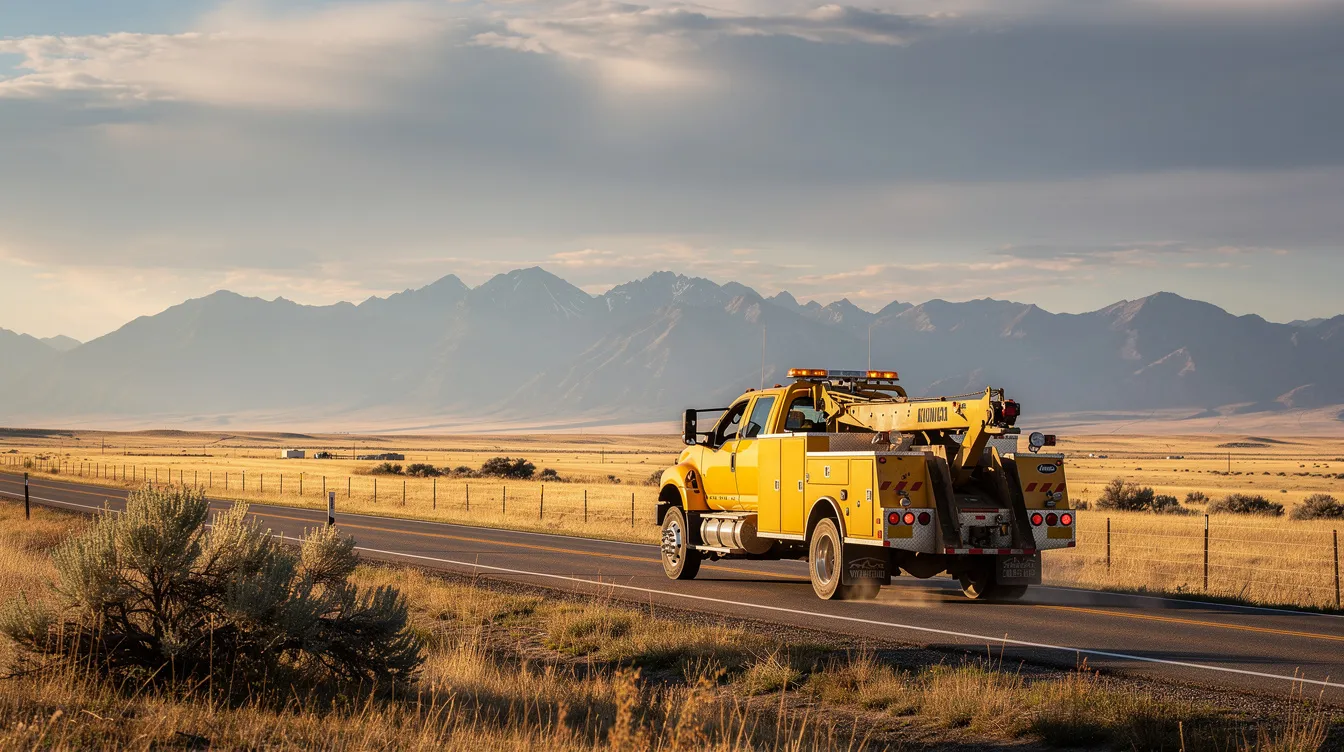
How Wyoming Car Repossession Works Before You File Bankruptcy
Repossession Process Steps
Auto lenders in Wyoming use your car as collateral for the car loan. When you default—usually by missing one or more monthly payments—the lender has legal rights to repossess the car. Car repossession in Wyoming is governed by the Uniform Commercial Code as adopted under Wyoming Statute § 29-7-105. Here is the typical process:
Late payments and default. You fall behind on required payments as defined in your loan agreement.
Self-help repossession. In Wyoming, repossession can occur without going to court if there is no breach of the peace. The repo company can take your vehicle from your driveway, street, or parking lot—but cannot use physical force, make threats, or enter a locked garage.
Notice of sale. After repossession, lenders must send a notice detailing the sale conditions to you and any other known claimants.
Auction or sale. In Wyoming, lenders must conduct repossession and resale in a commercially reasonable manner. If the sale is not commercially reasonable, the deficiency may be challenged.
Deficiency balance. After the auction, if the sale price is less than the loan balance, the lender takes the difference and may pursue you for that remaining debt—unless it is discharged in bankruptcy.
Legal Rights of Lenders
Lenders have the right to repossess your vehicle if you default on your loan. They are not required to go to court, provided they do not breach the peace during repossession. The lender must also provide notice of the sale and conduct the sale in a commercially reasonable manner.
What Constitutes a Breach of Peace?
A breach of the peace includes using physical force, making threats, or entering a locked property such as a garage. Repo agents cannot use intimidation or violence to take your vehicle. If a breach of the peace occurs, you may have legal grounds to challenge the repossession.
Once the lender has sold the car, bankruptcy generally cannot get the vehicle back. That is why consulting an attorney early is essential.
How Bankruptcy Filing in Wyoming Stops Most Car Repossessions
The core bankruptcy protection for Wyoming residents facing repossession is the automatic stay—a provision of federal law under 11 U.S.C. § 362. Both Chapter 7 and Chapter 13 bankruptcy types provide an automatic stay against collections the instant the bankruptcy petition is filed with the bankruptcy court.
What the Automatic Stay Does
Here is what the automatic stay does in practical terms:
The automatic stay halts most collection activities immediately upon filing, including repossession of vehicles, lawsuits, and wage garnishment.
Creditors must cease collection efforts once bankruptcy is filed. If a repo company or lender takes your car after the bankruptcy case is open without court permission, that may constitute wrongful repossession, and the creditor can face sanctions.
In Chapter 7, the automatic stay lasts until the case is closed or the debt is discharged. In Chapter 13, the automatic stay lasts for the repayment period—typically three to five years.
The bankruptcy stay prevents all collection actions against your personal property, including your bank account and vehicle.
Limits of the Automatic Stay
However, the protection is not unlimited. Lenders may seek relief from the automatic stay to repossess a vehicle after bankruptcy. Secured creditors like auto lenders can file a motion in bankruptcy court asking to lift the stay—usually arguing the car is losing value or the debtor has no equity. Without a workable plan to keep up on the car loan, the stay may eventually be lifted.
Call (307) 235-1900 or schedule your free consultation to understand how the automatic stay could apply to your specific Wyoming car loan and repossession timeline.
Saving Your Car in Chapter 7 Bankruptcy
Chapter 7 bankruptcy is a liquidation process for debts, but in practice, many Wyoming filers keep all of their personal property—including their car—thanks to Wyoming exemptions. Chapter 7 requires passing a means test based on income. If you qualify, Chapter 7 discharges unsecured debts like credit cards, medical bills, and many personal loans, potentially freeing up money to afford your car payments going forward.
Here are your basic options for a financed vehicle in Chapter 7:
Stay current and keep the car. Some Wyoming courts recognize a "ride-through" option where you simply continue making payments under the original loan terms.
Reaffirmation. You sign a new loan agreement filed with the bankruptcy court agreeing to keep paying the car loan after your bankruptcy discharge. This keeps personal liability on the debt—meaning if you default later, the lender can repossess and sue you for any deficiency.
Redemption. You pay the current value of the car in a lump sum, not what you owe. If you owe $7,000 but the car is only worth $3,000, redemption lets you pay $3,000 and get clear title. The catch: most borrowers do not have that kind of cash available.
Surrender. You hand in the keys and walk away. The remaining debts—including any deficiency—are usually discharged along with your other unsecured debt.
A critical detail: Chapter 7 bankruptcy does not erase a car lender's lien. The lien survives bankruptcy, so even though unsecured debt is wiped out, Chapter 7 does not discharge secured debts like the car loan itself unless you surrender the vehicle. Chapter 7 generally requires either redeeming or reaffirming a car loan to keep the vehicle.
If your payments are far behind and your budget is tight, surrendering the vehicle in Chapter 7 can be a strategic choice. The remaining balance and fees are usually discharged, giving you a fresh start.
Saving Your Car in Chapter 13 Bankruptcy
Chapter 13 bankruptcy involves a repayment plan over 3 to 5 years, supervised by a bankruptcy trustee and the bankruptcy court. It is often the best option for Wyoming residents who are behind on car payments but want to keep their vehicle. Chapter 13 allows debtors to keep property while repaying debts under a structured payment plan.
Here is how Chapter 13 helps with a car loan:
Catching up on arrears. Chapter 13 allows repayment plans to catch up on missed payments spread over the life of the plan, while you continue making regular monthly payments going forward. This can stop repossession long-term.
The 910-day rule. If you bought the car for personal use more than 910 days (about 2.5 years) before filing, you may be able to reduce the loan balance down to the car's current value in your Chapter 13 plan. This is called a "cram down." If the purchase was within 910 days, you must pay the full claim under 11 U.S.C. § 1325.
Interest rate reductions. Chapter 13 plans can sometimes lower the interest rate on a car loan, making the payment plan more affordable for Wyoming families—especially those with high-rate loans.
Addressing other obligations. Chapter 13 also handles tax debts, mortgage arrears, and some past-due child support alongside your car plan, so everything fits into a realistic overall budget.
A person with steady income who wants to keep their vehicle will often find that Chapter 13 bankruptcy is the most powerful tool available. The bankruptcy process allows you to restructure loan terms, reduce the total amount owed in qualifying cases, and protect your car from secured creditors throughout the plan.
Call (307) 235-1900 or contact us online to see whether Chapter 13 bankruptcy makes sense for your car, home, and other debts.
What If the Lender Already Took Your Car in Wyoming?
Time is critical once a car has been repossessed in Wyoming. Your options depend almost entirely on whether the vehicle has been sold.
Repossessed but not yet sold. If a car is repossessed shortly before bankruptcy is filed, it may need to be returned. Filing an emergency filing—sometimes called a "skeleton" bankruptcy petition—can trigger the automatic stay and potentially halt the auction. Bankruptcy can help recover a vehicle after repossession in some cases, but success depends heavily on exact timing and local rules.
Already sold at auction. If the lender has already sold the vehicle before the bankruptcy filing, the car is generally gone. However, the remaining deficiency debt can usually be discharged in Chapter 7 or repaid on favorable terms in Chapter 13.
Every case is fact-specific. Details like the date of repossession, repossession notices received, the auction timeline, and your current income all matter a great deal.
If you recently lost a car anywhere in Wyoming—Casper, Cheyenne, Gillette, Laramie, Rock Springs, Sheridan, Jackson, or any other community—call (307) 235-1900 or schedule a free virtual consultation as soon as possible. The sooner you act, the more legal options may remain.
How Wyoming Bankruptcy Exemptions Affect Your Vehicle
Bankruptcy exemptions are the rules that determine what property you can keep when you file bankruptcy in Wyoming. Wyoming allows debtors to keep exempt property during bankruptcy, and these exemptions can make a meaningful difference in whether you walk away from a Chapter 7 case with your car intact.
Here is what you need to know about Wyoming exemptions and vehicles:
Wyoming allows a motor vehicle exemption of up to $5,000 in equity in bankruptcy cases. Equity means the car's fair market value minus what you owe on it.
If the equity in your vehicle is fully covered by the exemption, a bankruptcy trustee generally cannot force the sale of the car solely to pay unsecured creditors.
Exemptions protect equity, not the lender's lien. Even if your equity is exempt, you still must pay the car loan or risk repossession by the secured creditor. Non exempt equity above the exemption amount may be at risk in a Chapter 7 case.
Spouses can double exemption amounts if filing jointly in Wyoming, which can help families with multiple vehicles or higher equity. If one spouse files alone, only that spouse's exemption applies.
Wyoming's homestead exemption protects property equity during bankruptcy, and certain retirement funds are protected by federal law as well.
Bankruptcy exemptions allow debtors to keep certain property during bankruptcy, but understanding how to properly claim them requires careful attention to valuation and domicile rules.
Working with a Wyoming bankruptcy attorney like Patrick Hunter ensures that exemptions are correctly applied to vehicles, tools, and other assets you rely on for work and daily life.
Considering the Whole Picture: Car Loan, Credit Card Debt, and Other Obligations
Focusing only on the car loan can be a mistake. A successful bankruptcy strategy looks at all debts and income together. Many Wyoming residents facing repossession are also dealing with:
Credit Card Debt: High credit card debt and collection efforts from multiple creditors
Medical Bills: Medical bills from Wyoming hospitals and clinics
Personal Loans: Personal loans and payday loans with aggressive collection actions
Tax Debt: Tax debt owed to the IRS or Wyoming Department of Revenue
Child Support: Past-due child support or joint debts with a spouse or former partner
Wiping out large amounts of unsecured debt in Chapter 7 can make it easier to afford a reaffirmed car loan or even save up for a more affordable vehicle after bankruptcy. Certain debts like child support cannot be discharged in bankruptcy, but addressing everything else in a coordinated plan can free up cash for the obligations that remain.
Chapter 13 can combine multiple problems—late mortgage payments, tax debts, and car loan arrears—into one structured repayment plan supervised by the bankruptcy court. The goal is to protect essential assets like a reliable vehicle while providing long-term debt relief and a path toward a fresh start.
A tailored plan from The Law Offices of Patrick M. Hunter aims to do exactly that—seek relief from overwhelming remaining debts while preserving what matters most.
Steps to Take Before You File Bankruptcy to Protect Your Car
Smart preparation can improve results and reduce stress during a Wyoming bankruptcy filing. Here is what to do before you contact an attorney:
Gather Key Documents
Collect the car loan contract (including original loan terms), payment history, any repossession notices, insurance declarations, pay stubs for the last six months, and recent bank account statements.
Do Not Hide the Vehicle
Avoid moving the car out of state, hiding it from the repo man, or confronting the repossession agent. These actions can backfire and harm your legal position.
Maintain Insurance Coverage
Keep full insurance on the car if at all possible. Lack of insurance can trigger acceleration clauses and cause lenders to act more quickly.
Build a Realistic Budget
List rent or mortgage, food, gas, utilities, child support, and other essentials. This will help you and your attorney decide whether Chapter 7 or Chapter 13 is more appropriate for your financial situation.
Complete Required Credit Counseling
Before filing, you must complete a course through one of the approved credit counseling agencies. Your attorney can point you to the right one.
Bring all of this information to your free Zoom consultation. Call (307) 235-1900 or submit our online contact form to schedule your appointment.
What to Expect From the Wyoming Bankruptcy Court Process
All Wyoming bankruptcy cases—Chapter 7 and Chapter 13—are filed in the U.S. Bankruptcy Court for the District of Wyoming and follow federal bankruptcy law. Here is a high-level overview of the bankruptcy process:
Credit counseling. Complete the required pre-filing counseling course.
Prepare bankruptcy forms and schedules. These include lists of all debts, assets, income, expenses, and your statement of exemptions (including the vehicle).
File the bankruptcy petition. The moment the case is filed, the automatic stay goes into effect. The filing fee is approximately $338 for Chapter 7 and $313 for Chapter 13.
341 meeting of creditors. You will attend a brief meeting—often by phone—where the bankruptcy trustee and any creditors can ask questions about your finances.
Plan confirmation (Chapter 13) or discharge (Chapter 7). In Chapter 13, the court reviews and approves your repayment plan. In Chapter 7, you receive a discharge of qualifying debts, typically within a few months.
In most car-related cases, you will not need to appear before a bankruptcy judge unless there is a specific dispute—such as a contested motion to lift the automatic stay filed by the car lender.
The Law Offices of Patrick M. Hunter handles the entire filing process virtually. Clients across Wyoming communicate via phone, email, text, and Zoom, so you do not need to travel to Casper. For more general court information, the U.S. Bankruptcy Courts website offers helpful overviews—but having a local Wyoming attorney can simplify everything.

Life After Bankruptcy: Rebuilding Credit and Transportation Options
Many Wyoming residents successfully rebuild credit and obtain reliable transportation after bankruptcy. While a Chapter 7 bankruptcy can remain on a credit report for up to 10 years and Chapter 13 for up to 7, the practical impact lessens over time. Many people begin receiving new credit and car loan offers within one to two years after discharge.
Here are practical steps to rebuild:
Check your credit reports for accuracy and dispute any errors related to your repossession or discharged car loan. A bankruptcy discharge does not automatically erase inaccurate entries.
Use a secured credit card responsibly—make small purchases and pay the balance in full each month.
Pay all post-bankruptcy bills on time, every time. On-time payment history is the single biggest factor in credit recovery.
Keep balances low compared to credit limits.
Some filers choose to surrender an overpriced or unreliable vehicle in bankruptcy and later finance a more modest, affordable car after their debt load is lighter. This can be a wise long-term strategy.
Think of bankruptcy not as failure but as a legal tool to reset finances and protect important assets like a car needed for work in communities such as Casper, Gillette, Sheridan, or Rock Springs.
Why Work With The Law Offices of Patrick M. Hunter on Car Repossession Issues?
The Law Offices of Patrick M. Hunter is a fully virtual Wyoming bankruptcy practice with four key practice groups: Chapter 7 bankruptcy, Chapter 13 bankruptcy, bankruptcy process and debt relief, and bankruptcy exemptions and special bankruptcy topics.
Attorney Patrick M. Hunter brings decades of experience helping Wyoming residents navigate the bankruptcy process, protect key assets such as homes and vehicles, and achieve lasting debt relief. The firm's approach is client-centered: non-judgmental legal guidance, clear explanation of fees and options, and regular communication via Zoom, phone, email, and text.
The firm represents clients throughout the entire state, with a primary focus on Casper and surrounding areas, followed by Cheyenne, Gillette, Laramie, Rock Springs, Sheridan, Jackson, and rural Wyoming communities.
Call (307) 235-1900 or schedule your free consultation online to discuss your repossession risk, car loan, and broader debt relief options today.
How to Get Started Today – Free Virtual Consultation
The fastest way to get a clear answer on whether bankruptcy can stop repossession of your car in Wyoming is to speak directly with a local bankruptcy attorney. Here is how to get started:
Gather basic financial information (loan balance, income, list of debts).
Call (307) 235-1900 or contact us online.
Schedule a Zoom consultation at a time that works for you.
Review personalized options during the meeting—no pressure, no judgment.
Initial consultations are free, confidential, and focused on education—not pressure—so you can decide whether Chapter 7, Chapter 13, or a non-bankruptcy solution fits best for your financial situation.
Do not wait until the tow truck arrives or the auction notice is mailed. Earlier contact usually means more strategies available to save your vehicle. Call (307) 235-1900 or contact us online to claim your appointment now.

Frequently Asked Questions About Bankruptcy and Car Repossession in Wyoming
Can bankruptcy stop a Wyoming car repossession scheduled for this week?
If the bankruptcy case is filed before the lender completes the repossession and sale, the automatic stay usually stops the process. However, exact outcomes depend on timing and case specifics. An emergency or skeleton bankruptcy filing can sometimes be made quickly to get the bankruptcy stay in place, with remaining bankruptcy forms and paperwork completed shortly after. If you have a scheduled repossession or auction date, call (307) 235-1900 immediately so Patrick Hunter can assess whether an emergency filing is appropriate for your situation.
Will bankruptcy remove the repo from my credit report in Wyoming?
Bankruptcy does not automatically erase the fact that a repossession occurred. Both the repo and the bankruptcy may appear on your credit report. However, bankruptcy can discharge any remaining deficiency balance on the car loan, which may help your overall credit recovery by eliminating unmanageable debt. After discharge, monitor your credit reports carefully and dispute any inaccurate entries related to the repossession and discharged loan.
What happens to co-signers on my car loan if I file Chapter 7 or Chapter 13?
In Chapter 7, the co-signer usually remains fully liable for the car loan even if your personal obligation is discharged. The bankruptcy protection applies only to the filing debtor, not to joint debts held by a co-signer. Chapter 13 offers a special co-debtor stay that can temporarily protect co-signers on consumer debts while the repayment plan is in effect, though details depend on the plan structure. If you have a co-signed auto loan, discuss these issues carefully during a consultation so that both your and the co-signer's exposure is understood.
Can I get a new car loan while I am in a Chapter 13 plan in Wyoming?
It is sometimes possible to finance a replacement vehicle during a Chapter 13 case, but you will typically need approval from both the bankruptcy trustee and the court. You must show the new car is reasonably priced, necessary for work or family, and affordable within the Chapter 13 budget. Never sign for new credit or a new loan during an active bankruptcy without first speaking to your bankruptcy attorney and obtaining any required approvals.
Do I have to be behind on my car loan to benefit from filing bankruptcy?
No. Many Wyoming residents file while still current on their car loan but behind on other debts such as credit card debt or medical bills. Bankruptcy can be used proactively to shed unsecured debt so you can keep making timely payments on a reliable vehicle. If you feel financially stretched but are not yet in default, schedule a free consultation to explore preventive options before a crisis develops. Legal assistance now can make a meaningful difference later.