Your Guide on How to File Bankruptcy in Wyoming Effectively
If you're struggling with debt and wondering how to file bankruptcy in Wyoming, you're not alone - and you have more options than you might think. This guide walks you through every step of the bankruptcy process, from evaluating whether bankruptcy makes sense for your financial situation to receiving your discharge and rebuilding your life.
Key Takeaways
Bankruptcy is a federal court process handled by the Wyoming bankruptcy court. Most individuals file Chapter 7 bankruptcy to discharge unsecured debt like credit card debt and medical bills, or Chapter 13 to catch up on a past-due car loan or mortgage through a structured repayment plan lasting three to five years.
The Law Offices of Patrick M. Hunter is a fully virtual Wyoming bankruptcy law firm with 40+ years of experience, offering Zoom-based representation statewide. Whether you live in Casper, Cheyenne, Gillette, Laramie, Rock Springs, Sheridan, Jackson, or anywhere else in Wyoming, call (307) 235-1900 or schedule a free consultation online to discuss your options.
The basic bankruptcy process in Wyoming follows a clear path: evaluate debt relief options, choose the right chapter, complete required credit counseling, prepare and file your bankruptcy forms, attend the 341 meeting of creditors, complete your debtor education course, and receive your discharge.
Filing triggers the automatic stay, which immediately stops most collections, wage garnishments, repossessions, and foreclosures - though it does not halt child support obligations or most recent tax collection efforts.
An experienced Wyoming bankruptcy lawyer like Patrick Hunter can help protect your assets using Wyoming exemptions, avoid costly mistakes on bankruptcy forms, and offer affordable payment plans. Contact us online to get started.
1. How Bankruptcy Works in Wyoming
Bankruptcy is a federal court process designed to provide debt relief by either discharging qualifying debts entirely or restructuring them into manageable monthly payments. In Wyoming, all bankruptcy cases are handled by the U.S. Bankruptcy Court for the District of Wyoming, which applies the bankruptcy code under Title 11 of the United States Code and the Federal Rules of Bankruptcy Procedure. Bankruptcy in Wyoming is governed by federal law, with state-specific exemptions layered on top.
Wyoming residents typically use one of two chapters of consumer bankruptcy: Chapter 7 (liquidation, which discharges most unsecured debt) or Chapter 13 (a court-supervised repayment plan). Both are available whether you live in Casper, Cheyenne, Gillette, Laramie, Rock Springs, Sheridan, Jackson, or a rural community far from either courthouse.
The Wyoming bankruptcy court has been effectively virtual for more than a decade. Most hearings - including the required 341 meeting of creditors - are handled by Zoom or telephone rather than in a physical courtroom. Since December 1, 2022, all Section 341 meetings for Chapter 7, Chapter 12, and Chapter 13 cases in Wyoming have been conducted via video.
When you file a bankruptcy petition, a "bankruptcy estate" is created under federal law. A bankruptcy trustee is appointed to supervise that estate, reviewing your property, income, and debts under the bankruptcy code and applicable Wyoming exemption laws.
If you're considering bankruptcy protection and want to understand how the process applies to your specific situation, call (307) 235-1900 or contact The Law Offices of Patrick M. Hunter online for a free virtual consultation.
2. Should You File Bankruptcy? Signs It May Be Time
Not everyone carrying debt needs a bankruptcy filing. But there are clear warning signs that your financial situation has moved beyond what budgeting alone can fix.
Financial red flags to watch for:
You can only make minimum payments on persistent credit card debt
You're using one credit card to pay another, or taking out payday loans to cover basics
You've borrowed from retirement funds to pay bills
You're falling behind on a car loan, mortgage, or utilities
Your bank account is regularly overdrawn
Legal pressure indicators:
Wage garnishments are reducing your take-home pay
You've received a bank account levy or court judgment
Creditors are filing lawsuits against you
You're fielding constant collection phone calls and letters each week
When essential expenses - rent, food, child support, health insurance - are at risk every month, it's time to seriously explore bankruptcy and other debt relief options. The sooner you act, the more options remain available.
If these signs sound familiar, call (307) 235-1900 or schedule your free consultation online with Patrick Hunter to review your personalized options.
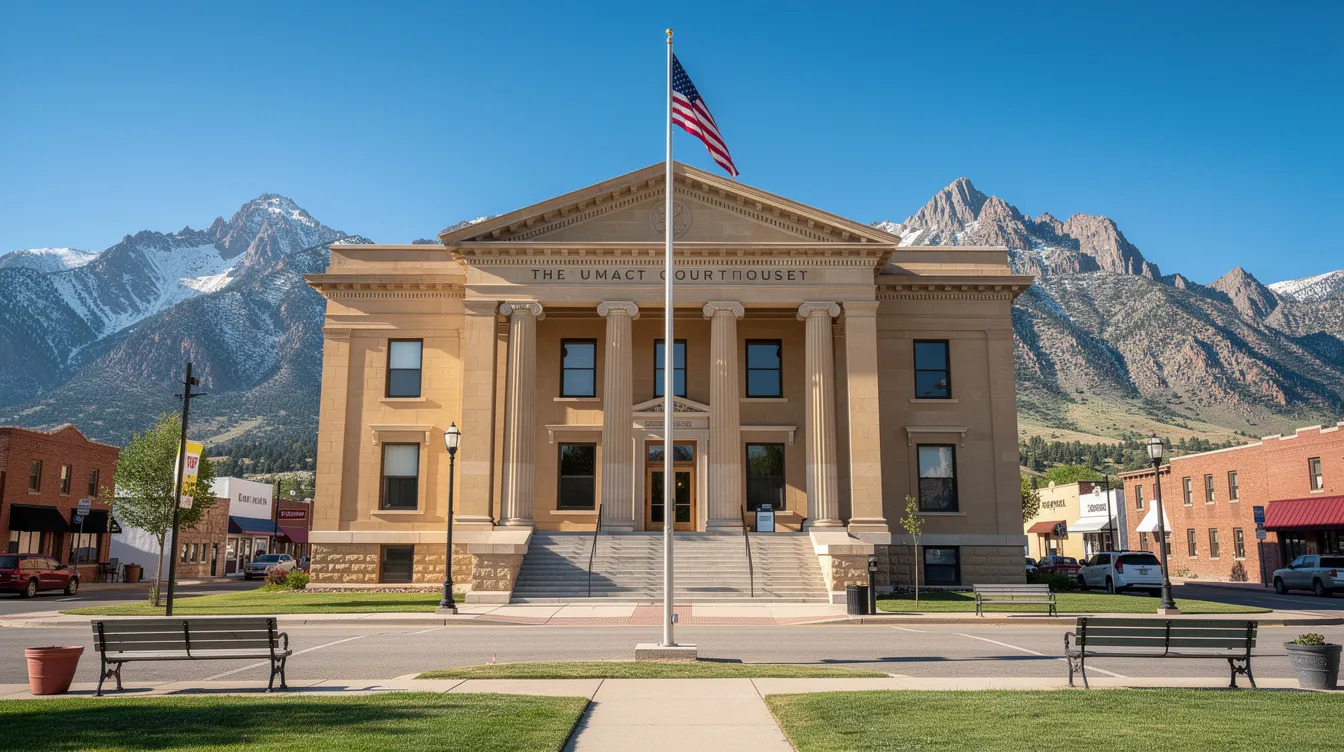
3. Wyoming Bankruptcy Court Basics
The U.S. Bankruptcy Court for the District of Wyoming is part of the federal district court system. It applies the U.S. Bankruptcy Code and Federal Rules of Bankruptcy Procedure to every bankruptcy case filed in the state.
The court maintains physical offices in Cheyenne (2120 Capitol Ave) and Casper (111 South Wolcott), but most consumer debtors never set foot inside either building. Virtually all required proceedings - including 341 meetings, plan confirmation hearings, and most motions - are handled by Zoom or telephone.
Key roles in your bankruptcy case:
The bankruptcy judge resolves disputes, rules on motions, and confirms Chapter 13 plans
The bankruptcy trustee reviews your case, administers assets, and oversees distributions or plan payments. A trustee administers the bankruptcy estate immediately upon filing
Court personnel at the clerk's office receive your bankruptcy forms, manage the docket, and process filings
What happens after you file:
The court assigns a case number
Notice is mailed to all listed creditors
The automatic stay takes effect immediately
A trustee is appointed to your case
The 341 meeting of creditors is scheduled
The trustee determines if there are non-exempt assets to liquidate. In many Chapter 7 cases, trustees issue a "no-asset report" if no property is available for distribution. Trustees also notify creditors to file a proof of claim for debts owed. Official bankruptcy forms, filing fee information, and local rules are available through uscourts.gov, but most people benefit significantly from having an attorney interpret and apply these rules to their unique circumstances.
4. Chapter 7 vs. Chapter 13 Bankruptcy in Wyoming
Choosing the right chapter is one of the most critical decisions in your bankruptcy case. Most Wyoming individuals file either Chapter 7 or Chapter 13, and the right choice depends on your income, assets, and goals. Chapter 7 bankruptcy is the most frequently filed bankruptcy type nationwide.
Chapter 7 Bankruptcy
Generally lasts about 3–4 months from filing to discharge
Chapter 7 discharges unsecured debts like credit cards and medical bills
Requires passing a means test based on income
A trustee can sell nonexempt property in Chapter 7 bankruptcy to pay creditors, though many cases are "no-asset" cases
Chapter 7 discharges unsecured debts like credit card bills, personal loans, and many old judgments
Chapter 13 Bankruptcy
Involves a court-approved payment plan over 36–60 months; Chapter 13 repayment plans last three to five years
Chapter 13 allows debtors to keep property while repaying debts over time
Can be used to cure mortgage arrears, catch up on a car loan, or protect non exempt assets
Chapter 13 can reduce car payments and interest rates on certain secured debts
A repayment plan must be approved by the bankruptcy trustee and the bankruptcy judge
Which chapter fits your situation? Chapter 7 might be best if your income falls below Wyoming's median, you have limited assets, and you mainly need to eliminate unsecured debt. Chapter 13 might fit if you have steady income, significant home equity, or face an imminent foreclosure or repossession you want to stop. Chapter 13 bankruptcy allows repayment over 3 to 5 years while you keep your property. You can keep your property while repaying debts in Chapter 13.
It's worth noting that Chapter 12 bankruptcy is tailored for family farmers and fishermen - a separate chapter not covered in detail here but relevant to some Wyoming residents.
Discuss both options in detail with Patrick Hunter during a free consultation by calling (307) 235-1900 or contacting the firm online. His dedicated practice groups in Chapter 7 Bankruptcy and Chapter 13 Bankruptcy ensure focused, experienced guidance.
5. Step 1: Gather Information and Explore Debt Relief Options
Before any bankruptcy filing, take stock of your full financial picture. This means cataloging every source of income, all recurring expenses, every debt, and all assets you own.
Categories of debt to identify:
Credit card debt
Medical bills
Personal loans and payday loans
Car loans and mortgages
Tax debts owed to the Internal Revenue Service resources or state agencies
Child support and alimony arrears
Student loans
Joint debts shared with one spouse or another person
Documents to gather:
Document | Timeframe Needed |
|---|---|
Pay stubs | Last 6 months |
Tax returns | Last 2 years |
Bank statements | Last 3–6 months |
Retirement account balances | Current |
Car titles and property deeds | Current |
Insurance declarations | Current |
Bills, collection letters, judgments | All active |
Alternative debt relief options worth evaluating with an attorney before filing include negotiated settlements, debt management plans, refinancing or loan modifications, sale of non-essential assets, and - in some cases - doing nothing if you are effectively "judgment proof."
At The Law Offices of Patrick M. Hunter, the Bankruptcy Process & Debt Relief practice group reviews all realistic options during your initial free Zoom consultation. Schedule that consultation online to explore what makes sense for you.
6. Step 2: Determine Eligibility for Chapter 7 or Chapter 13
Federal law sets strict eligibility rules for each chapter. Misjudging eligibility can cause case dismissal or loss of critical bankruptcy protection.
The Chapter 7 Means Test
To qualify for Chapter 7, you must pass a means test based on income. The means test form compares your average household income over the six months before filing against Wyoming's median income for your household size. You must evaluate your income against Wyoming's median income for Chapter 7 eligibility. According to U.S. Trustee data, the median income threshold for a single filer in Wyoming is approximately $71,745.
If your income falls below the median, you generally qualify. If it's above, a second step analyzes your allowed expenses. If significant disposable income remains, you may be directed toward Chapter 13 instead.
Chapter 13 Eligibility
Even if you "fail" the means test for Chapter 7, Chapter 13 may provide powerful relief. Key eligibility points include:
You must have a steady income to qualify for Chapter 13
Your secured and unsecured debts must fall within federal limits
You must be current on all required tax filings
Your proposed plan must demonstrate the ability to repay creditors according to the bankruptcy code's priority rules
Because eligibility rules and local practice can be nuanced, Wyoming residents should review their particular numbers with a bankruptcy lawyer. Call (307) 235-1900 or request a free virtual consultation with Patrick Hunter to evaluate where you stand.
7. Step 3: Understand Wyoming Bankruptcy Exemptions
Exemptions are the laws that protect certain property from being taken and sold to pay creditors in a Chapter 7 case. They also influence how much must be paid to unsecured creditors in a Chapter 13 plan. Wyoming has specific exemptions for property protection in bankruptcy cases, and Wyoming has opted out of the federal bankruptcy exemption list - meaning you must use Wyoming exemptions when filing here.
Key Wyoming Exemptions
Property Type | Protection Limit |
|---|---|
Homestead (primary residence equity) | Up to $100,000 |
Motor vehicle | Up to $5,000 equity |
Household goods & furniture | Up to $4,000 per person |
Clothing (including wedding rings) | Up to $2,000 |
Tools of the trade | Up to $4,000 |
Firearms & ammunition | Up to 3 firearms, 1,000 rounds each, $3,000 cap |
Retirement funds (IRAs, 401(k)s, pensions) | Generally fully protected |
Exemptions protect personal property and homestead equity in bankruptcy. Wyoming allows debtors to keep exempt property during bankruptcy, and debtors can keep property valued under the exemption limit. Importantly, exemptions apply to equity - the value of your property minus any loan balance. So if you owe $18,000 on a car worth $20,000, only $2,000 in equity needs exemption coverage.
Exemptions do not cover secured debts in Chapter 7 bankruptcy. If you stop making payments on a car loan or mortgage, the secured creditors retain their lien rights regardless of exemptions.
Spouses can double their exemptions if filing jointly in Wyoming, which can be a significant advantage for married couples with substantial property. The 730-Day Domicile Rule affects the state exemptions available to filers - if you haven't been domiciled in Wyoming long enough, you may need to use your prior state's exemption laws.
This topic connects directly to Patrick Hunter's Bankruptcy Exemptions & Special Bankruptcy Topics practice group. He helps clients statewide maximize exemptions and plan timing. Contact us online with questions about your home, vehicles, and other personal property.

8. Step 4: Complete Required Credit Counseling
Federal law requires most debtors to complete a pre petition credit counseling course from one of the approved credit counseling agencies within 180 days before filing. Failure to complete this step can result in immediate case dismissal. You must complete a credit counseling course before filing your bankruptcy petition.
How the course works:
Takes about 1–2 hours, available online or by phone
Credit counseling courses cost between $10 and $50 before filing, with possible fee waiver for very low-income individuals
Upon completion, you receive a certificate that must be filed with your bankruptcy petition
The course covers budgeting basics and an overview of debt relief options, including bankruptcy
This credit counseling course is not a judgment of whether you "deserve" bankruptcy. It's simply a federally mandated overview of your options.
A second, separate course - the debtor education course (also called a financial management course) - is required after filing but before you can receive your discharge. It must come from approved debtor education providers. We'll cover that in Step 8.
Patrick Hunter's firm routinely provides clients with a list of court-approved counseling agencies and clear instructions on when and how to complete each course as part of the guided bankruptcy process.
9. Step 5: Prepare Your Bankruptcy Forms Accurately
Your bankruptcy forms are detailed federal documents where you must list all income, expenses, debtor's property, and every creditor - including credit card companies, medical providers, holders of personal loans, and collection agencies.
Main categories of forms:
Voluntary petition (your formal request for bankruptcy protection)
Schedules of assets and debts (listing all certain property you own and everyone you owe)
Statement of financial affairs (recent financial transactions, lawsuits, prior filings)
Means test forms (required for Chapter 7 eligibility analysis)
Chapter 13 plan (if filing Chapter 13, outlining your proposed payment plan)
Wyoming may require certain local forms, such as a creditor mailing matrix formatted to local rules and a statement concerning payment advices. These must comply with the Wyoming bankruptcy court's specific instructions.
Warning: Mistakes on your bankruptcy forms - such as omitting a creditor, undervaluing assets, hiding property, or misclassifying a car loan - can lead to objections, delays, loss of exemptions, or even denial of your discharge. Accuracy is non-negotiable.
The Law Offices of Patrick M. Hunter prepares and reviews all bankruptcy forms with clients via Zoom screen-sharing and secure document exchange, reducing errors and stress. Schedule your free consultation to learn how this virtual process works.
10. Step 6: File Your Case and Trigger the Automatic Stay
Once the completed bankruptcy filing is submitted to the Wyoming bankruptcy court and the filing fee is paid - or an installment plan or fee waiver request is granted - your case is officially opened.
The Automatic Stay
The automatic stay is one of the most powerful protections in federal bankruptcy laws. It takes effect the instant your case is filed:
The automatic stay halts all collection actions upon filing bankruptcy
The automatic stay prevents lawsuits, garnishments, and repossessions
It stops foreclosure sales, bank account levies, and collection phone calls
Creditors must stop collection efforts once notified of bankruptcy
The stay lasts until the Chapter 7 case is closed; in Chapter 13, the stay lasts during the repayment period
It does not stop ongoing child support obligations or most recent tax collection by the Internal Revenue Service
Filing Fees
The filing fee for Chapter 7 bankruptcy in Wyoming is $338. The Chapter 13 bankruptcy filing fee is $313 in Wyoming. These amounts are set by federal law and apply uniformly nationwide. Fee waivers for bankruptcy filing may be available for low-income individuals whose income falls below 150% of the federal poverty level. Bankruptcy filing fees can be paid in installments if approved by the court.
After filing, the court assigns a case number, appoints a trustee, and mails a notice of your bankruptcy filing to all listed creditors within days.
In urgent situations - a looming foreclosure sale, an active wage garnishment, or a pending repossession - Patrick Hunter can often coordinate an emergency filing to quickly activate the automatic stay. If you're facing an emergency, call (307) 235-1900 right away.

11. Step 7: Attend the 341 Meeting of Creditors (Usually by Zoom or Phone)
Every debtor must attend a 341 meeting of creditors, named after Section 341 of the Bankruptcy Code. Trustees conduct a 341 meeting to verify debtor information and ask questions about the different aspects of your bankruptcy forms and financial history.
In Wyoming, these meetings are commonly held by Zoom or telephone and typically last about 5–15 minutes. Most creditors choose not to attend. This is not a courtroom trial or confrontation before a bankruptcy judge - it's a brief administrative proceeding.
What to have ready:
Government-issued photo ID
Social Security card or acceptable proof
Any documents the trustee requested in advance (updated pay stubs, bank statements, etc.)
Typical trustee questions include:
Are all assets and debts disclosed in your forms?
Have you transferred any property in the past 12 months?
Is the information in your bankruptcy petition accurate and complete?
Do you understand the consequences of receiving a discharge?
Patrick Hunter thoroughly prepares clients for this meeting, often through a pre-meeting Zoom session reviewing likely questions and any trustee concerns. This preparation reduces anxiety and prevents surprises.
12. Step 8: Complete the Process and Receive Your Discharge
After the 341 meeting, most Chapter 7 cases move relatively quickly toward discharge. Chapter 13 cases require ongoing monthly payments under a confirmed plan for 3–5 years before discharge is entered.
Post-Filing Debtor Education
Before the court will enter a discharge order, you must complete the debtor education course - a separate requirement from the pre-filing credit counseling. This course is typically 1–2 hours online, must come from an approved provider, and the certificate must be filed with the court.
Chapter 7 Timeline
Assuming no objections or asset complications, most Wyoming debtors receive a Chapter 7 discharge order wiping out qualifying remaining debts within about 60–90 days after the 341 meeting. Chapter 7 discharges unsecured debts - credit card debt, medical bills, personal loans, and many old judgments.
Chapter 13 Timeline
The discharge is entered after successful completion of all plan payments. The repayment plan can cure mortgage arrears, protect vehicles, repay creditors according to priority, and address tax or child support arrears according to court-approved terms. Secured creditors receive their contractual payments through the plan, while unsecured creditors receive a percentage based on your disposable income.
Debts That Survive Bankruptcy
Some debts are non-dischargeable in both chapters: child support, alimony, most student loans, many recent tax obligations, court fines, and debts based on fraud or intentional wrongdoing. Patrick Hunter reviews which debts will remain so there are no surprises after your case concludes.
13. Life After Bankruptcy: Rebuilding in Wyoming
Many Wyoming residents rebuild credit and financial stability within a few years after bankruptcy, especially when they create a realistic budget and adopt new financial habits. A fresh financial start is not just a legal concept - it's practical.
Credit-rebuilding strategies:
Check your credit reports through the Census Bureau's resources and annualcreditreport.com for accuracy; dispute any errors
Pay all new obligations on time, every time
Use a secured credit card responsibly, keeping balances low relative to limits
Avoid high-interest payday loans and title loans that can restart the debt cycle
Your credit score typically drops after filing for bankruptcy, and bankruptcy can remain on your credit report for ten years. However, you may improve your credit score after bankruptcy discharge by demonstrating responsible credit use. You can obtain new credit after filing bankruptcy - many clients find that eliminating old unsecured debt through bankruptcy can improve your debt-to-income ratio significantly, making it easier over time to qualify for a car loan or even a mortgage.
Long-term, focus on building an emergency fund, staying current on child support and taxes, keeping interest rates manageable on any new credit, and avoiding the borrowing patterns that led to financial distress.
The Law Offices of Patrick M. Hunter views bankruptcy as part of a broader financial reset, and clients are encouraged to ask questions about post-discharge planning during or after representation. A fresh start means building habits that last.
14. Why Work with The Law Offices of Patrick M. Hunter?
Choosing the right attorney matters. Patrick Hunter brings 40+ years of bankruptcy experience in Wyoming, with a practice focused on four key groups: Chapter 7 Bankruptcy, Chapter 13 Bankruptcy, Bankruptcy Process & Debt Relief, and Bankruptcy Exemptions & Special Bankruptcy Topics.
The firm operates as a fully virtual Wyoming bankruptcy law office, meeting clients by Zoom, phone, text, and email. This model isn't a workaround - it's how the Wyoming bankruptcy court operates. Clients in Casper, Cheyenne, Gillette, Laramie, Rock Springs, Sheridan, Jackson, and every remote corner of the state receive the same quality of legal assistance without driving to a physical office.
What sets the firm apart:
Straightforward explanations without legal jargon
Non-judgmental guidance - no matter what led to your debt
Transparent fee structures discussed upfront
Flexible, affordable payment plans designed for working families and individuals
Thorough preparation for every step, from initial document gathering to post-discharge planning
Call (307) 235-1900 or schedule your free consultation online to find out whether Chapter 7 or Chapter 13 is the right step toward a fresh start.

Frequently Asked Questions About Filing Bankruptcy in Wyoming
How much does it cost to file bankruptcy in Wyoming, and can I get a fee waiver?
There are two separate cost components. First, the court's filing fee: $338 for Chapter 7 and $313 for Chapter 13. These amounts are set nationwide by federal law. Second, attorney fees, which vary by complexity and case type.
Low-income Chapter 7 filers may qualify for a fee waiver if their income is below 150% of the federal poverty level, or they may be allowed to pay the filing fee in installments with court approval. Chapter 13 filing fees are typically paid in full at filing but can sometimes be incorporated into plan payments.
The Law Offices of Patrick M. Hunter offers clear, upfront fee information and affordable payment options, discussed during your free initial consultation.
Will I lose my car or home if I file bankruptcy in Wyoming?
Many Wyoming debtors keep both their car and home. Whether you retain your property depends on how much equity you have relative to Wyoming exemptions and whether you can stay current on secured debt payments.
In Chapter 7, if you have more equity than exemptions protect and you're behind on payments, the trustee or lender may have rights to the property. In Chapter 13, you may be able to catch up on arrears over time while the automatic stay stops foreclosure or repossession during the plan.
The specific outcome depends on property value, loan balances, and exemption strategy. Review your situation with Patrick Hunter by calling (307) 235-1900 or contacting the firm online.
Does bankruptcy wipe out all types of debt?
Bankruptcy is powerful but not unlimited. It usually discharges unsecured debts like credit card debt, medical bills, personal loans, and many old judgments. However, certain debts survive bankruptcy: child support, alimony, most student loans, many recent income taxes, court fines, and debts obtained through fraud or intentional wrongdoing.
In Chapter 13, some of these debts can be managed or reduced even if not fully discharged - for example, arrears on secured debts or certain tax liabilities. Patrick Hunter reviews which debts will survive before you file so you can make an informed decision.
Will I have to appear in a physical courtroom in Wyoming?
Most Wyoming consumer bankruptcy cases do not require an in-person courtroom appearance before a bankruptcy judge. The only mandatory appearance is typically the 341 meeting of creditors, and in Wyoming, that meeting is generally conducted by Zoom or telephone.
Additional hearings - when needed - are also often handled virtually, consistent with the state's long-standing virtual court practices. The Law Offices of Patrick M. Hunter is built around this virtual system, guiding clients through every step without requiring travel to Cheyenne, Casper, or anywhere else.
Can I file bankruptcy in Wyoming if I recently moved here?
Federal venue rules generally require you to file bankruptcy in the district where you have lived for most of the last 180 days. For many new Wyoming residents, this means you can file here if you've been in the state for at least 91 of those 180 days.
However, where you file and what exemption laws apply can be different issues. Even if you properly file in Wyoming, federal law may require you to use your prior state's exemptions if you haven't met the domicile requirements under the 730-Day Domicile Rule. Because these rules can be technical, recent arrivals to Wyoming should consult an experienced bankruptcy lawyer like Patrick Hunter to confirm proper venue and exemption strategy before filing. Call (307) 235-1900 or schedule your free consultation online.